Why Some Kentucky Cash Buyers Pay Way More Than Others
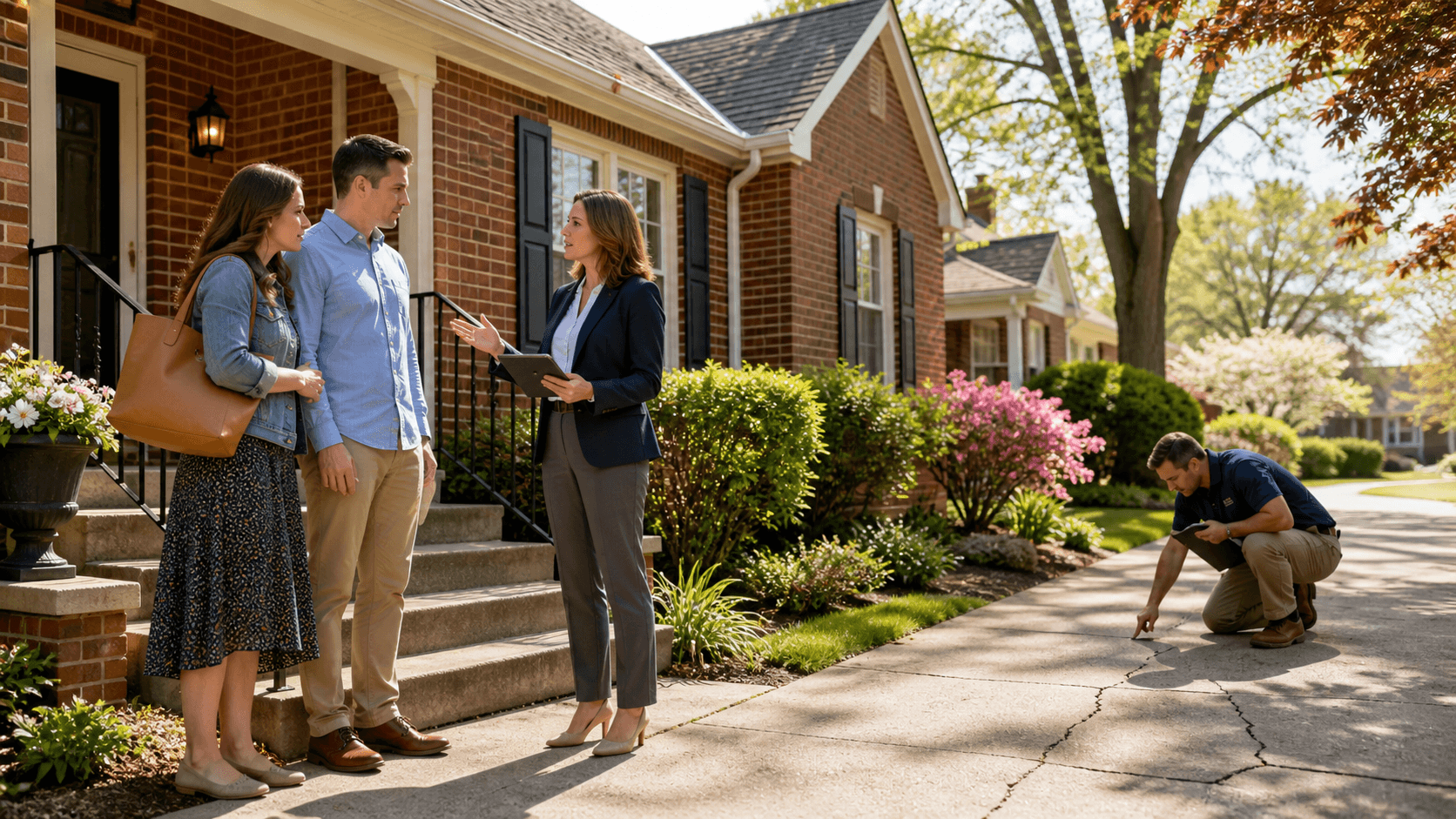
Selling to cash home buyers in Kentucky can feel confusing. Two buyers walk through the same house, see the same roof, the same old carpet, the same cracking driveway, but their offers are thousands of dollars apart. One might be higher by fifteen, twenty, even forty thousand dollars. Most sellers have no idea why.
Here is what is really going on. The phrase "cash home buyer" covers very different types of buyers. Some are local buyers using their own cash or local bank lines. Some are wholesalers trying to sell your contract to someone else. Some are big national brands that send your lead to a partner you never meet. When you know which is which, the price gap starts to make sense.
We are going to break down why some cash home buyers in Kentucky can honestly pay more, when a high offer is actually a red flag, and how to sort through offers without needing a finance degree. We will also touch on why heading into fall can change how certain buyers act, while serious local buyers often lean in and sharpen their numbers instead of pulling back.
Not All Cash Buyers Are Playing the Same Game
Here is what most people do not realize: "cash buyer" is not one thing.
Most sellers will run into three main types:
- Local buyer closing with their own cash or a local bank line
- Wholesaler who locks up your house, then sells the contract to a real buyer
- Out-of-state or national company that passes you to a local partner
In simple terms, the closer you are to the real end buyer, the less middle there is that needs to get paid.
Think about a basic example:
- A wholesaler offers you 150,000, planning to sell the contract for 165,000 to the real buyer
- The end buyer is the one taking on repairs and risk and is fine paying 165,000
- If you talked to that end buyer first, they might have offered you closer to that 165,000 number
The honest answer is that the "middle" often eats up 5,000 to 20,000 of room that could have gone to you. None of this is illegal by itself, and sometimes a wholesaler brings good value. But it does explain how you can see three cash offers on your Kentucky home that are all over the map.
Out-of-state or national groups can add another layer. They might give a quick ballpark number based on a computer, then a local partner walks it back after seeing real repairs. A local buyer using their own funds tends to set the price from the start based on real numbers in your area.
How Real Repair Costs Make or Break Your Cash Offer
On older Kentucky homes, repairs are where deals live or die. Two buyers can stand under the same leaky roof, look at the same foundation crack, and come up with totally different repair budgets.
Take an example on a house that could be worth 220,000 once fixed:
- Buyer A uses a national contractor who quotes 60,000 in work
- Buyer B has a local crew that can do the same job for 35,000
- That 25,000 gap in repair cost does not stay in the air; it lands in your offer
If both buyers want to make a similar profit, Buyer B can often pay 10,000 to 15,000 more and still be fine, simply because their actual repair cost is lower.
Then there is "risk padding." Some buyers add big "just in case" cushions because they are nervous or do not know the area well:
- One buyer might pad repairs by 30 to 40 percent because they have not done many jobs in Kentucky
- An experienced local buyer who has renovated dozens of homes around Lexington, Louisville, and nearby towns might only pad by 10 to 15 percent
Real talk, buyers who are unsure about repairs will quietly lower their offers, even if they never say that out loud. The more dialed in their rehab numbers, the closer they can push their offer to the real value of the home.
Why Kentucky Market Knowledge Changes the Math
Repair numbers are only half the story. The other half is what the house will be worth once it is fixed, often called the after-repair value (ARV).
Here is how market knowledge changes things:
- A buyer who really knows your street and zip code might see a fixed-up value around 240,000
- A buyer using only online estimates might play it safe at 215,000
- That 25,000 gap in future value can easily turn into a 10,000 to 18,000 gap in what they are willing to pay you now
Kentucky has plenty of quirks. Older homes in Louisville, Lexington, and small towns can hide fun surprises like old wiring, cisterns, or knob-and-tube. Local crews see this every week and price it in without just throwing a giant safety margin on the bid.
Season also matters. As the weather cools going into fall and early winter, some out-of-state investors get nervous about holding a place through the colder months, snow risk, and slower showings, so they drop their offers. Local buyers who know which pockets still move well in fall may stay active and keep their numbers tighter.
Exit strategy matters too. A buyer planning a full gut renovation has to budget more time and risk. Another buyer may plan a lighter touch, something like cleaning, minor repairs, and then listing. That lighter plan can let them pay more for the same house.
Where the Money Really Goes in a Cash Deal
If you strip the deal down to the bones, almost every cash offer follows the same basic math:
- After-repair value (what it should sell for fixed up)
- Minus repair costs
- Minus closing and holding costs like taxes, insurance, and utilities
- Minus the profit the buyer needs to keep the lights on
Two buyers can use that same formula and still end up far apart because of profit expectations and overhead.
Think about these two:
- Buyer A wants to make 40,000 on every deal, even on a house that will only sell around 180,000
- Buyer B is comfortable making 20,000 to 25,000 and focuses on doing more deals with lower overhead
On the same house, that difference in target profit alone can swing the offer by 15,000 to 20,000.
Overhead plays a big part too:
- Big offices and big ad budgets have to get paid, and that cost gets baked into offers
- Leaner local teams with small crews can sometimes give more of the spread back to the seller in the price
Also watch for junk fees. Some buyers win your trust with a higher sticker price, then sneak in inspection fees, "processing" fees, or penalties that bring your real net number down. A straight contract has clear numbers so you can see what actually ends up in your pocket.
How to Tell If a High Cash Offer Is Actually Safe
Real talk, the highest number on paper is not always the best if it never closes or gets chipped down a week before closing.
A few quick questions can tell you a lot:
- Are you the actual end buyer, or do you plan to assign my contract?
- Can you show proof of funds and examples of deals you closed in Kentucky recently?
- What inspections do you need, and can your offer change after those?
- Do you have any "partner approval" clauses that let you walk away or lower the price later?
Here is how that plays out in real life. One seller takes a 160,000 offer that has a hidden partner approval clause. Ten days in, the buyer says the partner did not like the deal and asks to drop the price to 140,000. Another seller takes a 155,000 offer from a local buyer with proof of funds and clear terms and it closes on time at 155,000 with no repair ask.
Timeline matters too, especially heading into colder months in Kentucky:
- A long closing can mean extra mortgage payments
- A vacant house through winter can mean higher utilities and risk of frozen pipes
- A slightly lower offer that closes in a week can beat a higher offer that drags for 45 days and might fall apart once
Before you sign, take five to ten minutes to compare offers on more than just price:
- Get at least two offers, one from a local buyer and one from a non-local if you can
- Ask each buyer the same questions about funding, inspections, past Kentucky deals, and closing timeline
- Look at fees, inspection terms, and how clearly they explain repairs in your area
The honest answer is that a strong cash deal should feel simple and straightforward. If you feel rushed, confused, or like you are being read a script, that is a good sign to slow down, ask more questions, and protect your bottom line. Even if you never work with GSP Homes, using this kind of framework can help you squeeze more value and fewer headaches from any cash offer you consider in Kentucky.
Sell Your Kentucky Home Fast With a Fair Cash Offer
If you are ready to skip repairs, showings, and long waits, we are here to help you move on your timeline. At GSP Homes, our team of trusted cash home buyers in Kentucky can review your property and give you a straightforward offer with no obligation. Tell us a bit about your situation, and we will walk you through each step so you know exactly what to expect. Reach out today to see how quickly you can close and get cash in hand.